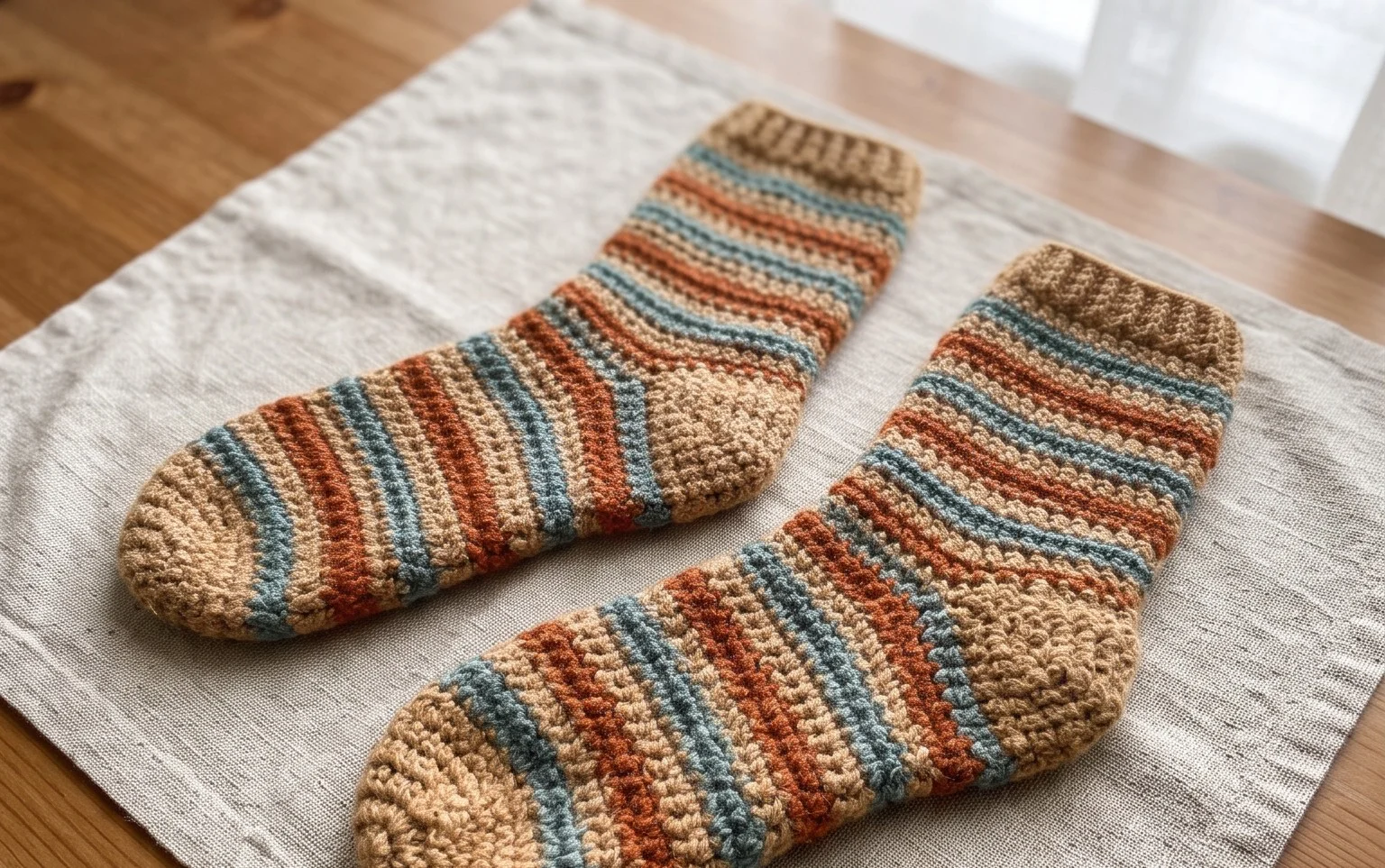
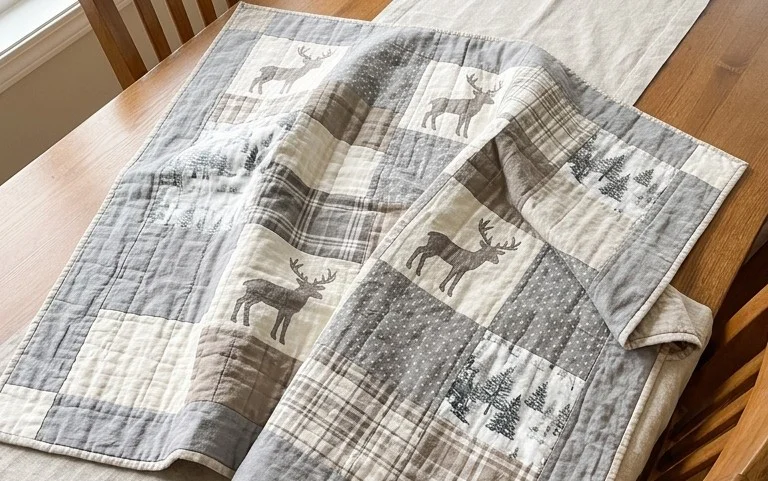
Easy Quilted Fabric Coasters: Two Simple Sewing Styles
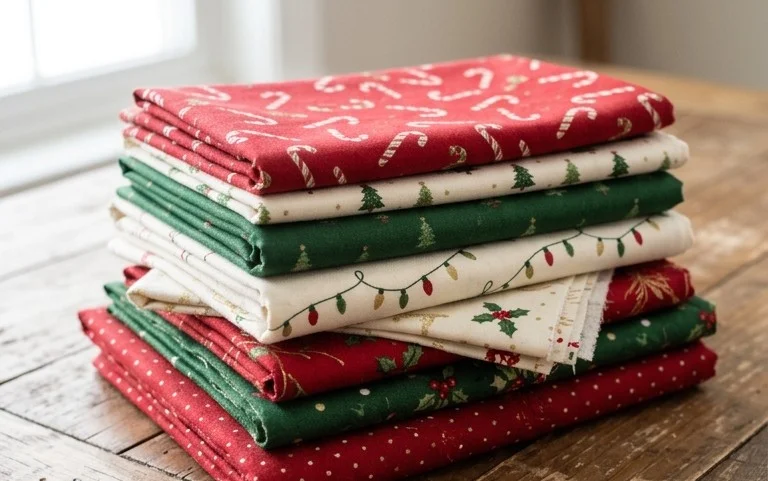
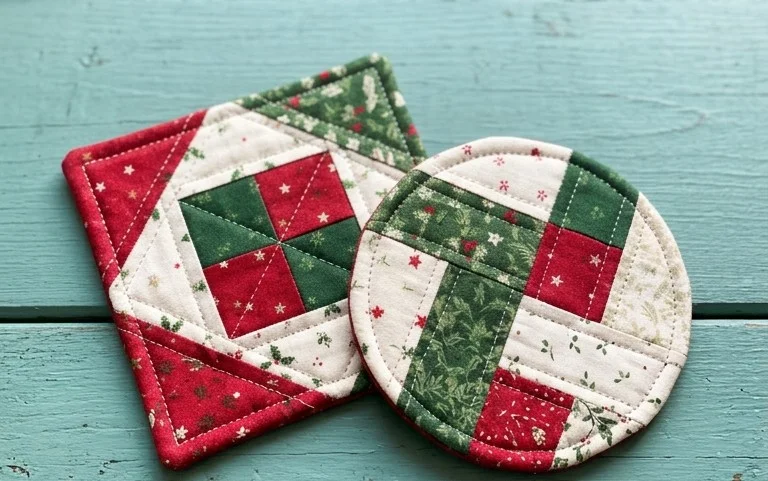
Cotton scraps layered with a thin batting make quilted coasters that feel soft in your hand and help protect a table from warm mugs. This sewing project suits beginners who want to practice straight stitching, as well as gift makers and home decor lovers who enjoy choosing colors for a room or season. You can make a coordinated set from one fabric print or mix small scraps for a more casual look. The tutorial covers two coaster styles and explains how to layer, quilt, and finish the fabric neatly, so you can choose the method that suits your sewing comfort and the materials on hand. Each coaster is small enough to finish in a short sitting, and the repeated stitching gives the surface a tidy, padded texture. The finished stack is useful beside a teapot, on a bedside table, or tucked into a handmade gift basket.
Why You’ll Love This Pattern
A firm cotton fabric and a simple single-crochet stitch make this square dishcloth useful for everyday kitchen cleanup. The straight rows are easy to check as you work, and there are no seams or complicated shaping to finish.
This is a good first project for practicing even tension and counting stitches. One ball of worsted cotton is usually enough, so the cloth can also use up a leftover skein. Make it in a solid color for a tidy, classic look, or use two cotton colors by changing yarn at the end of a row.
The rows were easy to keep track of, and the cotton made a sturdy cloth that washed well. I added a hanging loop with a scrap of yarn.
— Maya, home crocheter
Pattern Overview & Skill Level
- Skill Level: Beginner. You need to know how to chain and single crochet.
- Approximate Time: 2 to 3 hours, depending on your pace and experience.
- Construction: A flat square worked back and forth in rows. The turning chain does not count as a stitch.
- Finished Dimensions & Sizing: About 8.3 × 8.3 in (21 × 21 cm) at the stated gauge. Small differences are normal for a hand-crocheted cloth.
Materials & Supplies Needed
- Yarn: About 55 yd (50 m) of worsted-weight cotton yarn, approximately 50 g. Choose one color, or use two colors with similar yarn weights.
- Hook Size: 5.0 mm / H-8 crochet hook. Use the hook that gives you the stated gauge; a smaller hook makes a firmer fabric, while a larger one makes a looser cloth.
- Notions: Tapestry needle for weaving in ends, scissors, and a ruler or tape measure. A stitch marker is optional.
- Substitutions: Use a similar-weight cotton or cotton blend that can be washed according to its label. Acrylic can work for a cleaning cloth, but it may feel less absorbent and can behave differently around heat. Avoid novelty yarns because their texture makes stitch counting harder. A different yarn weight changes the finished size and may require a different hook.
Gauge: 3 single-crochet stitches and 3 rows measure about 1 in (2.5 cm). Make a small swatch if you want the cloth to match the listed size. Adjust your hook size to reach gauge rather than tightening your hands.
Stitch Guide & Abbreviations (US Terms)
- ch: Chain.
- sc: Single crochet. Insert the hook into the stitch, yarn over and pull up a loop, yarn over again and pull through both loops.
- st: Stitch.
- sts: Stitches.
For the row edges, place the first single crochet into the first stitch at the base of the turning chain. The turning chain lifts the yarn to the next row and is not counted as a stitch.
Step-by-Step Pattern Instructions
Dishcloth
Chain 26 loosely. The foundation chain should not be tight; if it pulls in, use a hook one size larger just for the chain, then switch to the 5.0 mm hook for the first row.
- Row 1: Sc in the second ch from the hook and in each ch across. Turn. (25 sts)
- Row 2: Ch 1, sc in each st across. Turn. (25 sts)
- Row 3: Ch 1, sc in each st across. Turn. (25 sts)
- Row 4: Ch 1, sc in each st across. Turn. (25 sts)
- Row 5: Ch 1, sc in each st across. Turn. (25 sts)
- Row 6: Ch 1, sc in each st across. Turn. (25 sts)
- Row 7: Ch 1, sc in each st across. Turn. (25 sts)
- Row 8: Ch 1, sc in each st across. Turn. (25 sts)
- Row 9: Ch 1, sc in each st across. Turn. (25 sts)
- Row 10: Ch 1, sc in each st across. Turn. (25 sts)
- Row 11: Ch 1, sc in each st across. Turn. (25 sts)
- Row 12: Ch 1, sc in each st across. Turn. (25 sts)
- Row 13: Ch 1, sc in each st across. Turn. (25 sts)
- Row 14: Ch 1, sc in each st across. Turn. (25 sts)
- Row 15: Ch 1, sc in each st across. Turn. (25 sts)
- Row 16: Ch 1, sc in each st across. Turn. (25 sts)
- Row 17: Ch 1, sc in each st across. Turn. (25 sts)
- Row 18: Ch 1, sc in each st across. Turn. (25 sts)
- Row 19: Ch 1, sc in each st across. Turn. (25 sts)
- Row 20: Ch 1, sc in each st across. Turn. (25 sts)
- Row 21: Ch 1, sc in each st across. Turn. (25 sts)
- Row 22: Ch 1, sc in each st across. Turn. (25 sts)
- Row 23: Ch 1, sc in each st across. Turn. (25 sts)
- Row 24: Ch 1, sc in each st across. Turn. (25 sts)
- Row 25: Ch 1, sc in each st across. Fasten off, leaving a 6 in (15 cm) tail. (25 sts)
Finishing
Thread the yarn tail onto a tapestry needle and weave it through several stitches on the wrong side. Change direction once so the end is secure, then trim the remaining yarn close to the fabric without cutting a stitch. Weave in the starting tail the same way. Measure the cloth; a gentle wash and reshape can help even the edges.
Care & Washing Instructions
- Wash cotton in warm water, about 40°C (104°F), with similar colors; follow the yarn label if it gives different instructions.
- Lay the cloth flat to dry, or use a dryer only if the yarn label allows it.
- While damp, smooth the edges and reshape the corners by hand; blocking is optional for a dishcloth.
Pro Tips & Common Mistakes to Avoid
- Keep your tension relaxed and consistent. If the foundation chain is much tighter than the rows, the bottom edge will draw in; use a larger hook for the chain if needed.
- Count the 25 stitches after each row. The first stitch can hide beside the turning chain, so work into the first actual stitch rather than into the chain.
- Weave in both ends on the wrong side, changing direction through the fabric before trimming. A short tail simply tucked under one stitch can work loose in repeated washing.
- For a larger cloth, add chains to the foundation and work more rows, keeping the number of rows close to the number of stitches for a square. A wider or longer cloth uses more yarn; allow extra yardage before starting.
Frequently Asked Questions
Can I use a different yarn fiber?
Yes. Cotton or a cotton blend is a practical choice because it absorbs water and tolerates frequent washing. A different fiber may change the texture, absorbency, care needs, and finished dimensions, so check its label and make a gauge swatch.
How can I make the dishcloth smaller or larger?
For a smaller cloth, start with fewer chains and work fewer rows. For a larger square, increase both the foundation chain and row count by roughly the same amount. The finished size depends on your yarn, hook, and tension, and a larger cloth needs more yarn.
Is this pattern suitable for a first crochet project?
Yes. It uses only chains and single crochet worked in straight rows. Count the stitches at the end of each row, and use a ruler to check that the fabric is growing evenly.
May I sell dishcloths made from this pattern?
Check the designer’s terms before selling finished items, and follow any requirements for pattern credit. If you sell the cloth, describe the fiber accurately and include its care instructions.
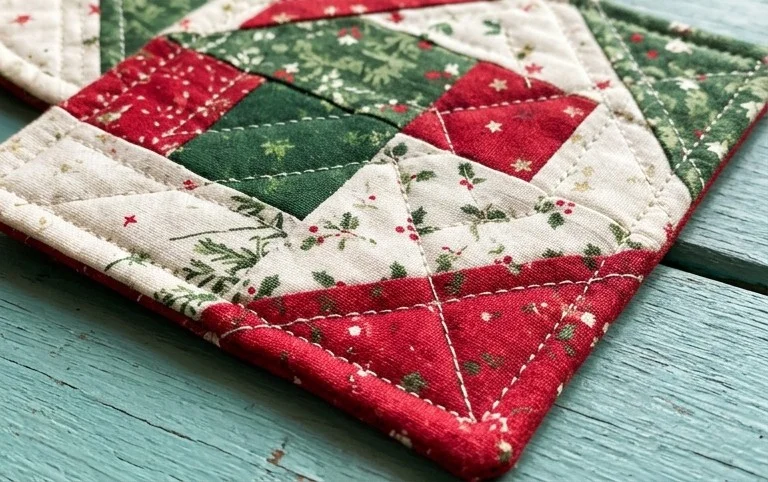
A neat stack of padded cotton coasters is a satisfying way to turn fabric scraps into something useful for everyday tea and coffee breaks. After making the two styles, you can see how a few quilting lines hold the layers together and give each piece its soft, finished feel. For a simple variation, use one print on top and a contrasting solid on the back, or cut the squares slightly larger to suit wide mugs. Share a photo of your finished set on Pinterest or your favorite social media page; seeing the fabric choices is always fun. Then explore more free sewing and craft patterns on the blog for another small project to make with your stash.