Easy Crochet Scarfs with Fringes: Free Step-by-Step Guide
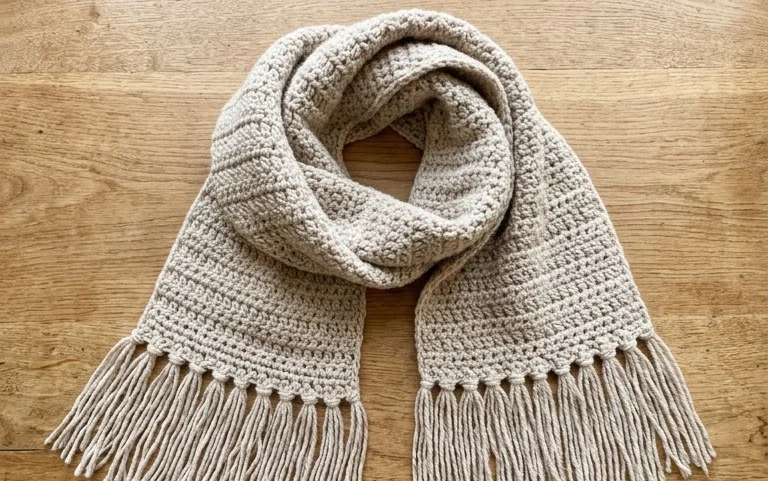
These textured wraps feel soft against the neck and provide a gentle warmth during chilly autumn walks or brisk mornings. Each piece highlights how simple fringe adds movement to a basic silhouette, making these designs accessible for beginners while remaining engaging enough for anyone who enjoys meditative rhythm. You will find that adding decorative tassels turns a plain rectangle of yarn into a polished accessory that looks great with jeans or a heavy winter coat. This guide covers the specific foundation chains and finishing techniques needed to secure those long, flowing strands firmly so they stay put even after frequent daily wear.
Why You’ll Love This Pattern
This classic crochet dishcloth works up quickly using simple, sturdy stitches that provide excellent scrubbing power for your kitchen surfaces. The texture is created by alternating single crochet and double crochet stitches, which makes the fabric thick enough to hold soap and water but breathable enough to dry between uses. It is a fantastic project for using up small amounts of leftover cotton yarn from larger projects. Because it uses basic stitches, it allows you to practice maintaining consistent tension throughout the entire piece.
I finished this dishcloth in just under an hour and the stitch pattern is so meditative that I ended up making a whole set for my kitchen. It is the perfect size and feels much more durable than store-bought alternatives.
— Sarah, home crocheter
Pattern Overview & Skill Level
- Skill Level: Beginner
- Approximate Time: 45–60 minutes
- Construction: Worked in flat rows
- Finished Dimensions: 8 inches by 8 inches
Materials & Supplies Needed
- Yarn: Worsted weight (#4) 100% cotton yarn, approximately 60 yards. Cotton is required for its absorbency and heat resistance.
- Hook Size: 5.0 mm (US H-8)
- Notions: Tapestry needle for weaving in ends, scissors.
- Safe yarn substitutions: You may use a cotton-acrylic blend, though it will be less absorbent than pure cotton. Avoid wool or synthetic acrylic as they do not handle high heat or damp conditions well for kitchen use.
Stitch Guide & Abbreviations (US Terms)
- ch: chain
- sc: single crochet
- dc: double crochet
- st(s): stitch(es)
- sl st: slip stitch
- Turning ch: The chain at the end of a row that brings your hook to the height of the next row.
Step-by-Step Pattern Instructions
Dishcloth Body
Foundation: Ch 30.
- Row 1: Sc in the second ch from the hook and in each ch across. (29 sts).
- Row 2: Ch 1, turn. *Sc in the first st, dc in the next st. Repeat from * across until 1 st remains. Sc in the last st. (29 sts).
- Row 3: Ch 1, turn. *Dc in the first st, sc in the next st. Repeat from * across until 1 st remains. Dc in the last st. (29 sts).
- Rows 4–28: Repeat rows 2 and 3 until the piece measures 8 inches long.
- Final Row: Ch 1, turn. Sc in each st across. (29 sts).
Finishing
Fasten off your yarn, leaving a 6-inch tail. Use your tapestry needle to weave the tail back and forth through the stitches on the back side of the work to secure it. Trim any excess yarn close to the fabric.
Care & Washing Instructions
- Machine wash in warm water on a gentle cycle to remove oils and food residue.
- Tumble dry on low heat or lay flat on a clean towel to maintain the square shape.
- If the cloth loses its shape after drying, pull the corners gently while damp to restore the dimensions.
Pro Tips & Common Mistakes to Avoid
- Use a stitch marker on the first stitch of every row to ensure your count stays at 29 throughout the project; skipping the last stitch is the most common reason for a shrinking width.
- Maintain consistent tension by holding your yarn with a steady grip; if the fabric feels too stiff, go up one hook size to 5.5 mm.
- Weave your ends in diagonally across the back of the work for at least two inches to ensure they do not pull out during frequent washes.
- To adjust the size, start with any even number of chains; adding two chains increases the width by approximately half an inch, but keep in mind that larger cloths will require significantly more yarn.
Frequently Asked Questions
Can I use a larger hook if I have loose tension?
Yes, if you find your fabric is stiff or difficult to work with, using a 5.0 mm hook is standard, but you can adjust to a 4.5 mm hook if your stitches are too loose and look gapped.
Is this pattern suitable for someone who has never crocheted before?
This pattern is ideal for beginners because it only requires knowing how to chain, single crochet, and double crochet, which are the fundamental building blocks of the craft.
Why should I only use cotton yarn for this project?
Cotton is a natural fiber that can handle high heat and constant moisture without melting or losing its structural integrity, unlike acrylic fibers which can trap odors or lose their shape.
Can I sell the dishcloths I make from this pattern?
You are welcome to sell finished items made from this pattern, provided you credit the designer and use your own photographs to represent the work.
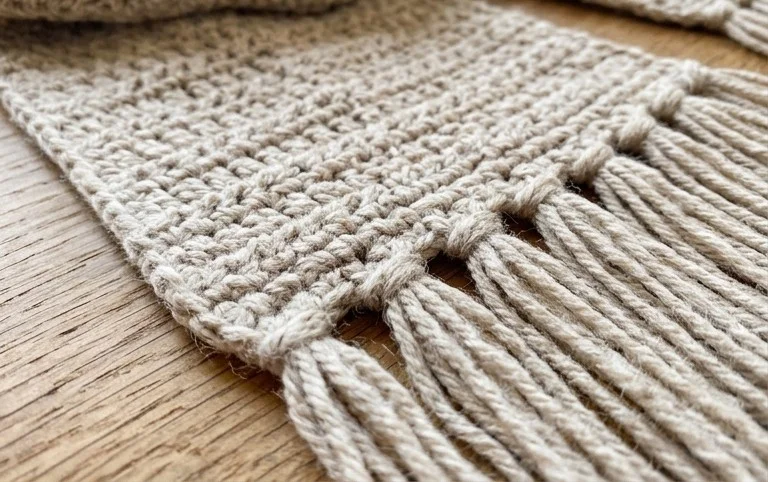
Wrapping your finished accessory for the first time feels rewarding when the yarn drapes perfectly against your shoulders. Consider using a variegated wool blend if you want to add visual depth to the stitches without changing the basic structure, or try a chunky mohair for extra fluffiness. Sharing your progress helps others see how different color choices change the final look of this project. Check the archives on the main page for more warm accessory ideas that use similar hooks and basic stitches to expand your handmade wardrobe throughout the season.