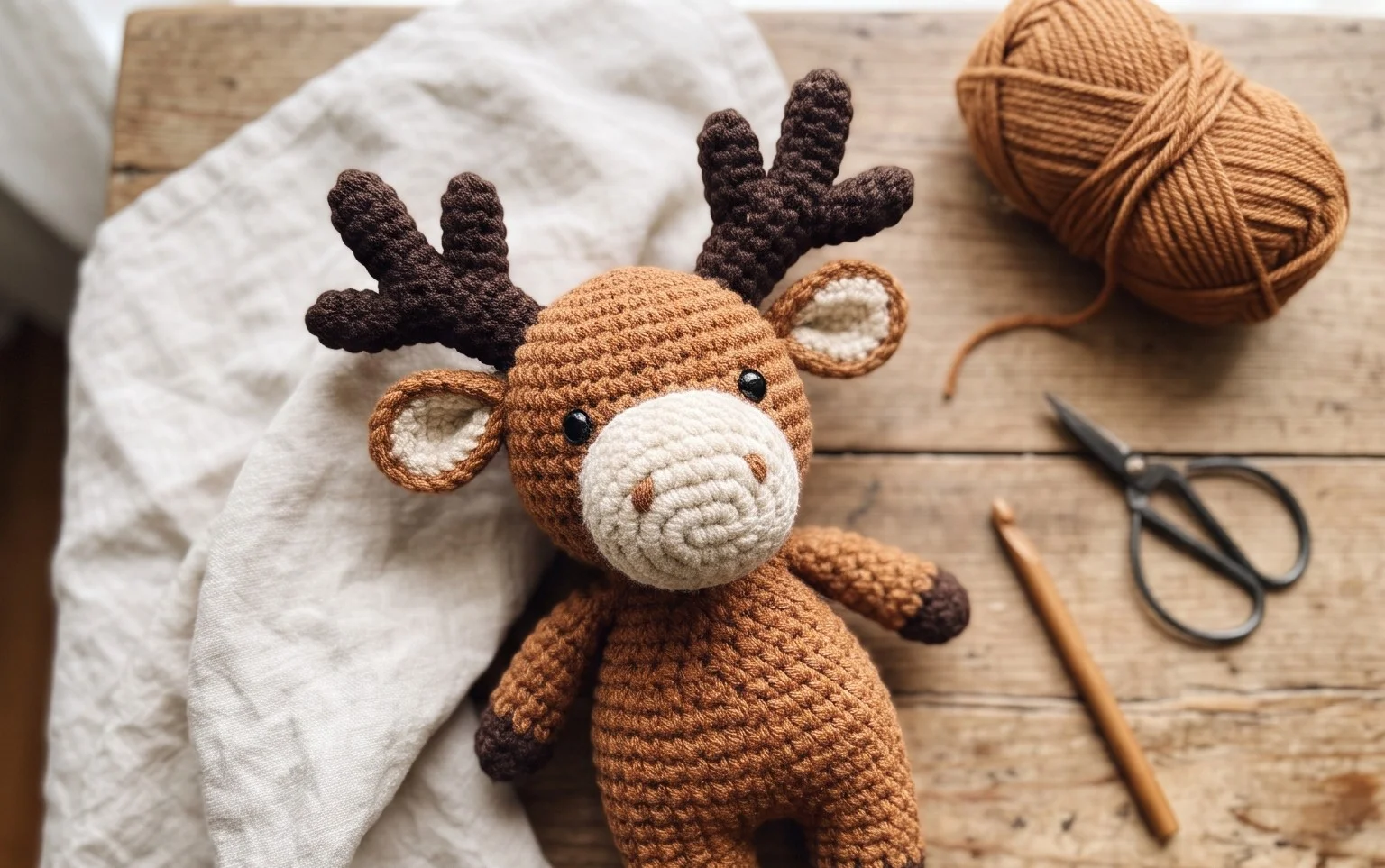
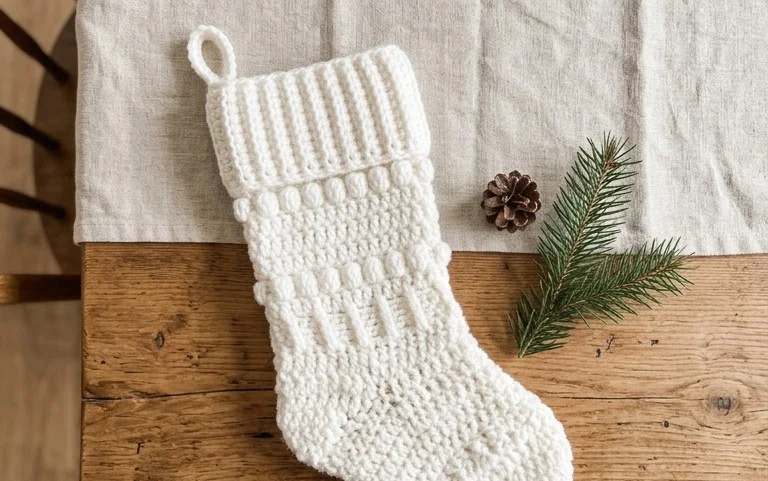
Nordic Star Table Runner Free Pattern for Beginners
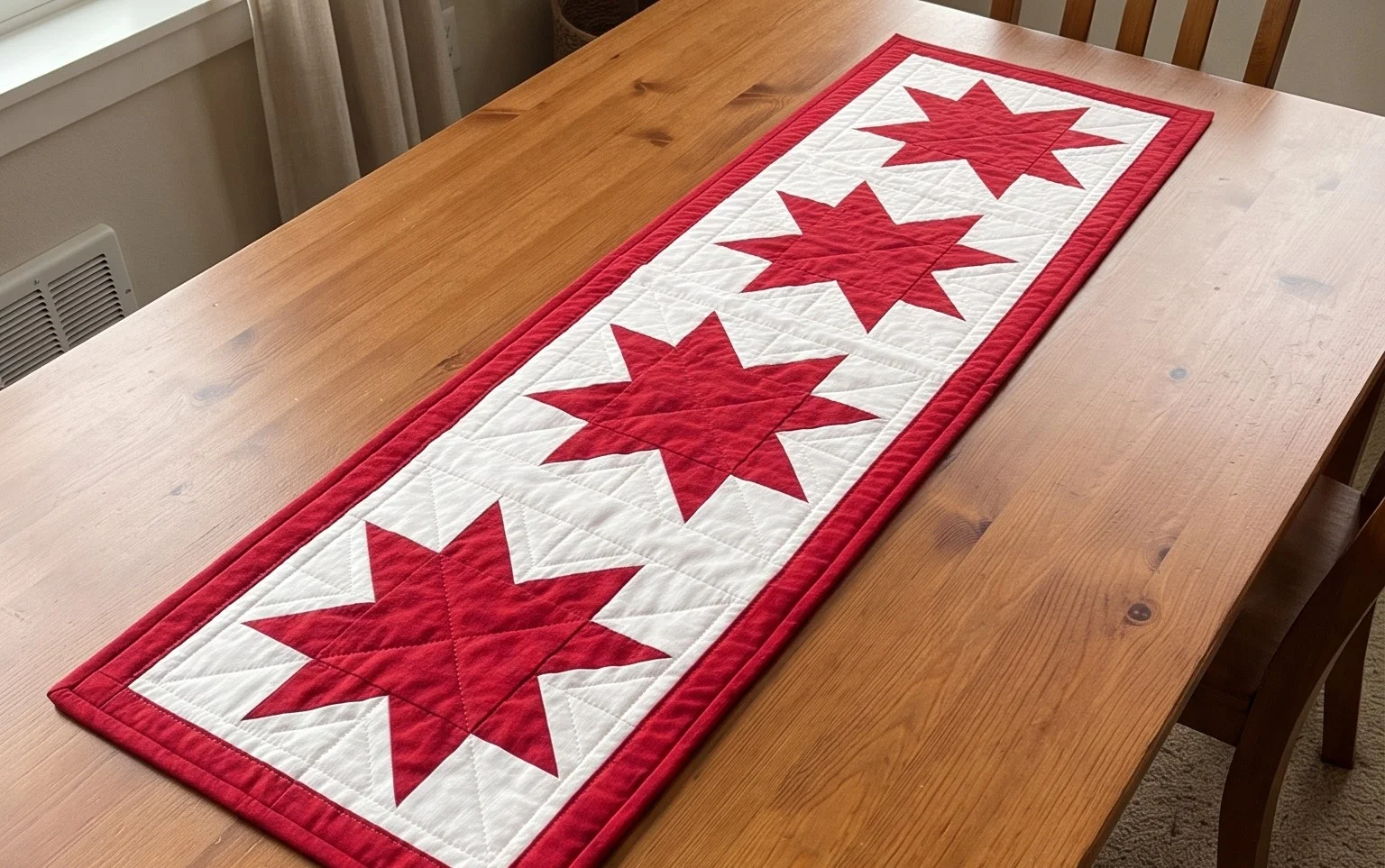
A crisp star motif gives this crochet table runner a simple Nordic look, with clean shapes that stand out across a dining table or sideboard. The finished fabric feels cozy and substantial, while its repeating design keeps the project satisfying to work on row by row. Beginners can use it to practice keeping stitches even and following a colorwork pattern, and experienced crocheters can enjoy making a thoughtful handmade gift or adding a seasonal touch to their home. As you work, you’ll learn how the star motif takes shape through crochet stitches and color changes. The pattern also helps you keep the edges neat and the repeats consistent, so the finished runner lies smoothly on the table.
Why You’ll Love This Pattern
This single-crochet dishcloth is a practical first project: it uses one stitch, has straight edges, and works up as a simple rectangle. Cotton yarn gives the finished cloth a firm, absorbent texture that is useful for wiping counters or washing dishes.
The pattern is easy to pause and pick up again because each row has the same stitch count. A small amount of worsted cotton is enough for one cloth, so it also works well for using up leftovers. Make a set in one color or use separate shades for different household tasks.
The row repeat was easy to keep track of, and the cotton cloth feels sturdy after washing.
— Maya, beginner crocheter
Pattern Overview & Skill Level
- Skill Level: Beginner. You need to know how to chain and make a single crochet.
- Approximate Time: 2–3 hours, depending on your pace and tension.
- Construction: Worked flat in rows as a rectangle, then finished by fastening off and weaving in the ends.
- Finished Dimensions & Sizing: About 8 × 8 in (20 × 20 cm) using the suggested yarn and hook. Small differences in tension can change the finished measurements.
Materials & Supplies Needed
- Yarn: About 90 yd (82 m) of worsted-weight (#4) 100% cotton yarn. One solid color is simplest for a first cloth; use a second color only if you plan to change colors between rows.
- Hook Size: 5.0 mm / H-8 crochet hook. If your fabric feels stiff, try a 5.5 mm / I-9 hook; a larger hook can make the cloth slightly bigger and more open.
- Notions: Tapestry needle for weaving in ends, scissors, and a ruler or tape measure. A stitch marker is optional for marking the first stitch of a row.
- Substitutions: Choose a smooth cotton or cotton-blend yarn of similar thickness. Acrylic may feel less absorbent, while linen can produce a firmer fabric and may soften with use. A different yarn weight changes the cloth’s size and texture, so check the dimensions as you work and expect yardage to vary.
Stitch Guide & Abbreviations (US Terms)
- ch: Chain.
- sc: Single crochet. Insert the hook into the stitch, yarn over and pull up a loop, yarn over again, then pull through both loops on the hook.
The turning chain does not count as a stitch in this pattern. Work the first single crochet into the first stitch of each row, directly below the turning chain. This keeps the edges straight and maintains 32 stitches per row.
Step-by-Step Pattern Instructions
Dishcloth
- Foundation: Ch 33. The extra chain is the turning chain; it does not count as a stitch.
- Row 1: Sc in the second ch from the hook and in each ch across. Turn. (32 sts)
- Row 2: Ch 1, sc in each st across, including the final stitch. Turn. (32 sts)
- Rows 3–32: Repeat Row 2. Keep the same tension and count 32 stitches in every row. (32 sts each row)
Finishing
After Row 32, fasten off, leaving a tail long enough to weave in securely. Thread the tail onto a tapestry needle and weave it through several stitches on the wrong side, changing direction once so it is less likely to work loose. Weave in the starting tail in the same way. Smooth the cloth flat and check that its edges are not pulling inward. If desired, lightly wet and reshape it to about 8 × 8 in (20 × 20 cm), then let it dry flat.
Care & Washing Instructions
- For cotton yarn, machine-wash with similar colors in warm water, up to about 40°C (104°F), or follow the yarn label if it gives a lower temperature.
- Dry flat when possible; reshape the corners while the cloth is damp.
- Blocking is optional for this simple square. If the edges curl, pin the damp cloth to its finished measurements and let it dry completely.
Pro Tips & Common Mistakes to Avoid
- Keep your starting chain relaxed. A tight foundation chain can make the bottom edge narrower than the rest of the cloth; use a slightly larger hook just for the chain if needed.
- Count 32 stitches at the end of every row. Missing the last stitch often makes the cloth narrower over time, while working into the turning chain by mistake can add stitches.
- Use a stitch marker in the first stitch of a row if you tend to lose track of the edge. Move it up as you finish each row, and remember that the turning chain is not a stitch.
- For a larger cloth, add chains to the foundation and work more rows, keeping the stitch count the same on every row. A wider or longer cloth uses more yarn; buy extra if you want a matched set.
Frequently Asked Questions
Can I use acrylic yarn for this dishcloth?
You can, but acrylic is generally less absorbent than cotton and may not work as well for washing dishes or wiping up spills. If you substitute it, make a small test swatch and follow the care instructions on the yarn label.
How can I make the cloth larger or smaller?
For a wider cloth, chain more or fewer stitches, then make one single crochet in each chain after the first. For a longer cloth, work more or fewer rows. Keep the row stitch count consistent, and expect the yarn amount to change with the finished size.
Is this dishcloth suitable for a first crochet project?
Yes. It uses only chains and single crochet, with no shaping or color changes required. The main challenge is keeping the first and last stitch of every row easy to identify so the sides stay straight.
Can I sell dishcloths made from this pattern?
Check the pattern designer’s terms before selling finished items, and follow any restrictions they set. If you sell your work, describe the yarn fiber and care instructions accurately so buyers know how to wash the cloth.
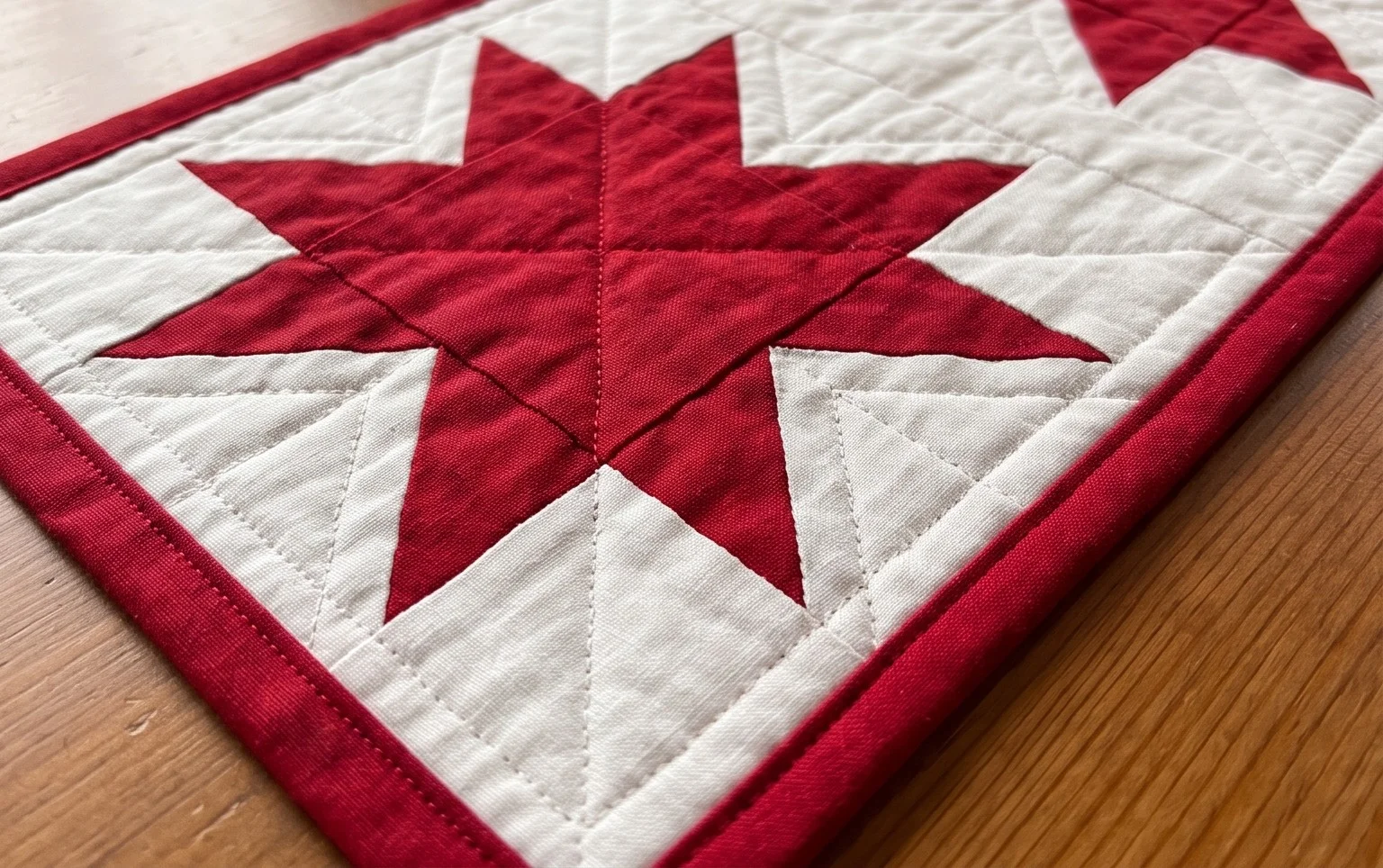
Your finished runner brings a neat row of Nordic stars and a handmade touch to the table, whether you use it for everyday meals or bring it out for a gathering. For a simple variation, swap the classic contrast shades for two colors that match your room, or use one shade for a quieter look. If you make one, share a photo on Pinterest or your favorite social media channel so other crocheters can see your colors and finished size. You can also explore more free crochet patterns on the blog for another project to work on next.