Free Crochet Coat Patterns: Stylish Step-by-Step Designs
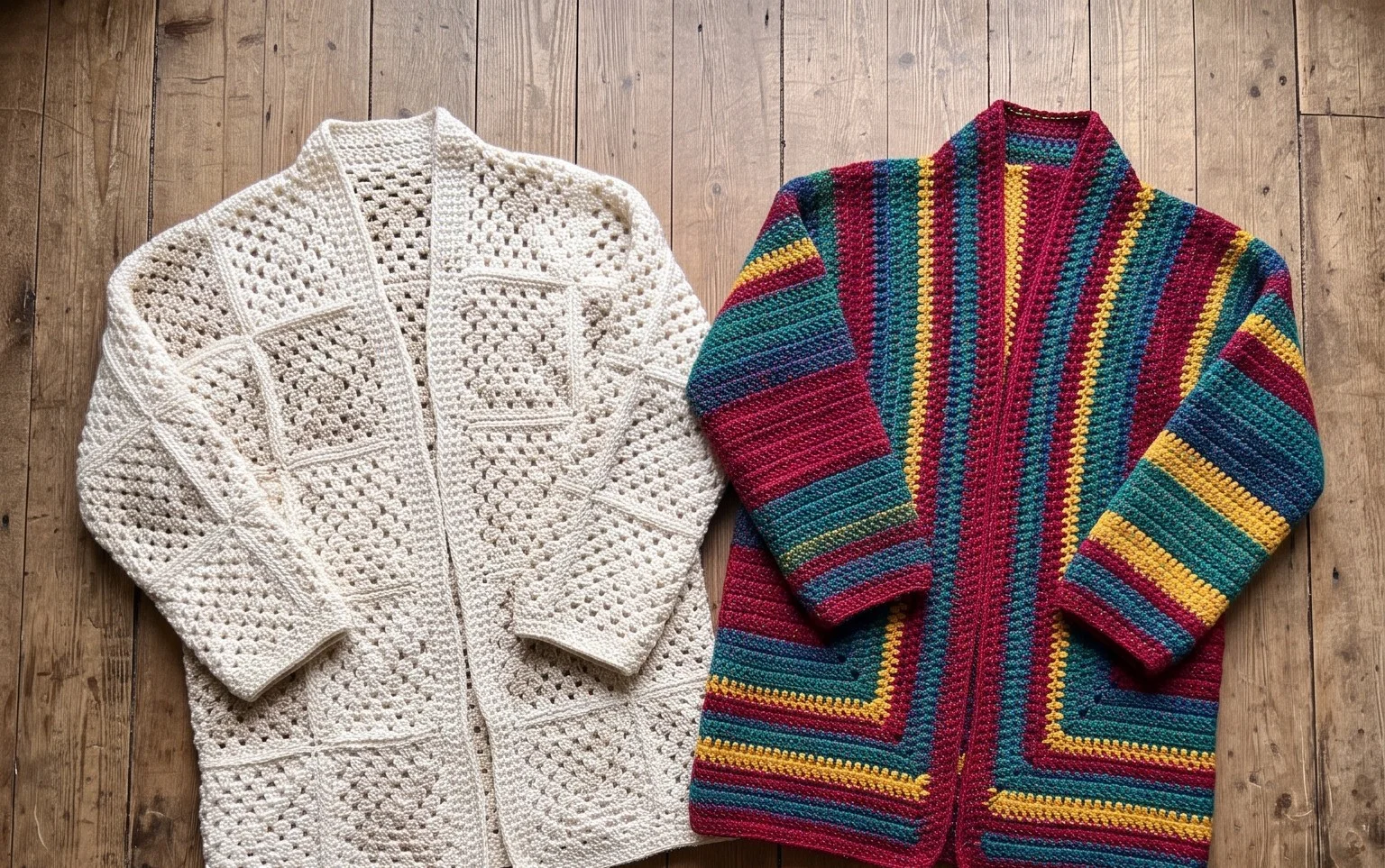
A crochet coat has a satisfying weight in the hands, with rows of yarn building into a soft layer you can wear on cool mornings or over a simple outfit. These free crochet coat patterns offer ideas for different shapes and stitch textures, from relaxed everyday layers to more polished pieces. They suit crocheters who are ready to try a larger project, and patient beginners can use them to practice keeping steady tension across wider rows. A handmade coat also makes a thoughtful gift when you know the recipient’s preferred colors and fit. As you work, you’ll learn how stitch choice, gauge, and neat edging affect the drape and finish. The result is a useful garment made at your own pace, with room to adjust the length or sleeve details to suit your style.
Why You’ll Love This Pattern
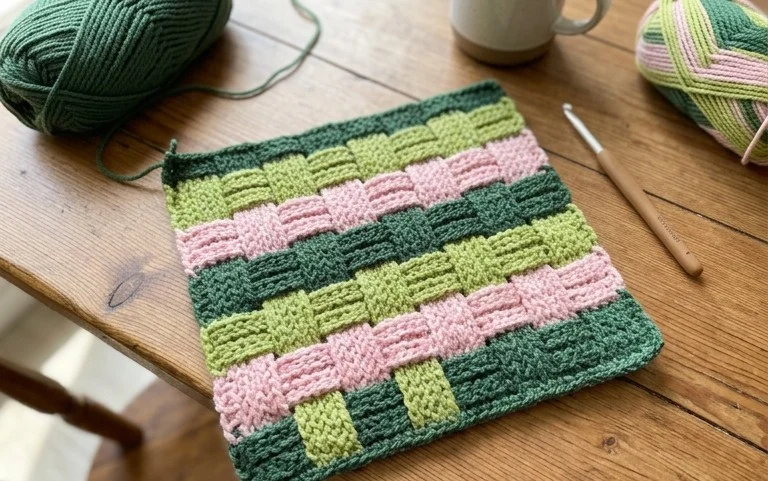
A firm cotton washcloth with a simple single crochet fabric is useful at the sink, in the bath, or tucked into a housewarming gift. The straight rows are easy to count, and the finished cloth has a close texture that can handle regular washing.
This pattern is a good first project for practicing even tension and turning at the end of each row. It uses one basic stitch, so you can work on keeping the edges straight without managing color changes or shaping. The small size also makes it easy to finish in a few sittings, and one skein of cotton can make more than one cloth, depending on its yardage.
Sample maker review: The rows were easy to follow, and my cloth came out soft but sturdy after washing. I liked having a useful project for practicing single crochet.
The rows were easy to follow, and my cloth came out soft but sturdy after washing. I liked having a useful project for practicing single crochet.
— Mia, beginner crocheter
Pattern Overview & Skill Level
- Skill Level: Beginner. You need to know how to chain, single crochet, and turn your work.
- Approximate Time: About 2 to 3 hours, depending on your pace and how often you stop to check your stitch count.
- Construction: A flat rectangle worked back and forth in rows, with no seaming or joining.
- Finished Dimensions & Sizing: About 7.5 inches wide by 8.25 inches tall after washing and drying flat. The exact size depends on your tension and yarn.
The pattern is written for a dense, absorbent fabric. If your gauge is looser than the one below, the cloth will be larger and more open. Check your first few rows before continuing so you can change hooks if needed.
Materials & Supplies Needed
- Yarn: About 70 yards of worsted weight cotton yarn, weight #4. Use one color, or join a new color at the start of a row if you have suitable scraps.
- Hook: 5.0 mm / H-8 crochet hook. If your stitches are very tight, try a 5.5 mm / I-9 hook and check the finished dimensions.
- Notions: Tapestry needle for weaving in the two yarn ends, scissors, and a ruler or tape measure.
- Gauge: About 14 single crochet stitches and 15 rows measure 4 inches after washing and drying flat. Gauge is a guide; the stated stitch count matters most for following the pattern.
- Safe substitutions: Use another smooth, machine-washable cotton in a similar worsted weight. Cotton blends can work, though they may feel stretchier or less absorbent. Acrylic is easy to wash but may not absorb water as well. Changing fiber or yarn thickness can change the cloth’s size and feel, so make a small swatch first.
Stitch Guide & Abbreviations (US Terms)
- ch: Chain. Yarn over and pull through the loop on the hook.
- sc: Single crochet. Insert the hook into the stitch, yarn over and pull up a loop, then yarn over and pull through both loops on the hook.
- st: Stitch. “Sts” is the plural form.
- rep: Repeat the stated instruction.
The turning chain at the start of a row does not count as a stitch. Work the first single crochet into the first stitch of the row, directly below the turning chain. This keeps the edges from gradually slanting inward.
Step-by-Step Pattern Instructions
Washcloth
- Row 1: Ch 27. Sc in the second ch from the hook and in each ch across. Turn. (26 sts)
- Row 2: Ch 1, sc in each st across. Turn. (26 sts)
- Rows 3–31: Rep Row 2, working 26 sc in every row. Turn after each row. (26 sts per row)
- Finishing: After Row 31, fasten off and leave a tail long enough to weave in. Thread the tail onto a tapestry needle and pass it through the backs of several stitches on the edge. Change direction and weave through a few more stitches to secure it. Repeat with the starting tail, then trim the excess close to the fabric without cutting the stitches.
Count the stitches in Row 1 before turning. For later rows, look for the small V at the top of each stitch and work under both loops. The turning chain does not add a stitch, and the final single crochet goes into the last stitch at the far edge. If the sides start to narrow, check whether you have missed that final stitch.
Wash the cloth before measuring it. Cotton can relax after its first wash, so the dimensions may shift slightly from the measurements taken straight off the hook.
Care & Washing Instructions
- For cotton yarn, machine wash with similar colors in warm water, up to 40°C (104°F), unless the yarn label gives different directions.
- Dry flat or tumble dry on low if the yarn label permits; high heat can cause cotton to shrink.
- While damp, smooth the cloth into a rectangle and gently reshape the corners; blocking is optional for this everyday item.
Pro Tips & Common Mistakes to Avoid
- Keep your starting chain relaxed. A tight chain can pull the bottom edge inward; if that happens often, make the chain with a hook one size larger, then switch to the 5.0 mm hook for Row 1.
- Count all 26 stitches at the end of each row. Place a removable stitch marker in the first stitch of a row if you tend to miss the edge stitch while turning.
- Weave in each end in more than one direction through the back of the fabric. A short tail pulled through only one row can work loose with repeated washing.
- To make the cloth wider, add chains to the starting chain, then work one fewer single crochet than the total chain count. To make it taller, add rows. Both changes use more yarn; a wider cloth also needs more yarn in every row.
Frequently Asked Questions
Can I use acrylic yarn instead of cotton?
You can, but the cloth may absorb less water and feel warmer or softer against the skin. Choose a smooth worsted weight yarn and wash a small swatch first to check its texture and size.
How can I make the washcloth smaller or larger?
For a narrower cloth, start with fewer chains while keeping one fewer single crochet than the chain count. For a wider cloth, add chains. Change the number of rows to adjust the height. Your yarn use will rise as the cloth gets larger.
Is this pattern suitable for a first crochet project?
Yes, if you are comfortable making a chain and single crochet. The main challenge is working into the first and last stitches of each row. Count 26 stitches after every row until the edges look consistent.
May I sell washcloths made from this pattern?
Check the designer’s terms before selling finished items, and follow any conditions they set. If you sell your work, describe the fiber accurately and include care directions from the yarn label.
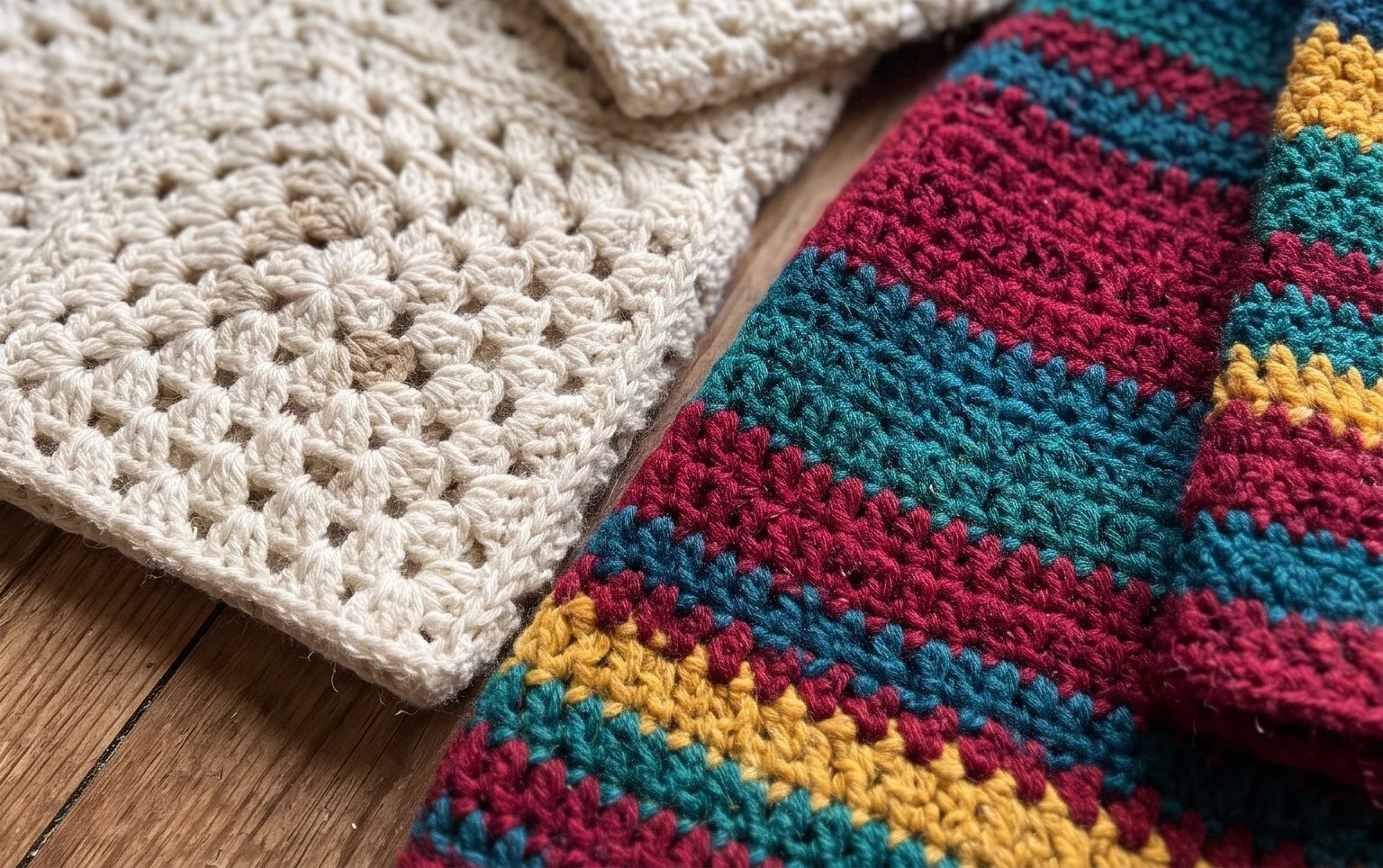
A finished crochet coat is a rewarding garment to pull on, with its handmade texture and the comfort of knowing each row was worked by you. For a simple variation, choose a different shade of yarn or add a few inches to the body for a longer fit, checking your gauge before you begin so the change stays balanced. If you make one of these designs, share a photo on Pinterest or your favorite social platform; seeing the yarn and color choices is part of the fun. You can also browse more free crochet patterns on the blog for another project to start with your next skein.