Quilty Hearts Quilt Pattern: Easy Scrappy Crochet Guide
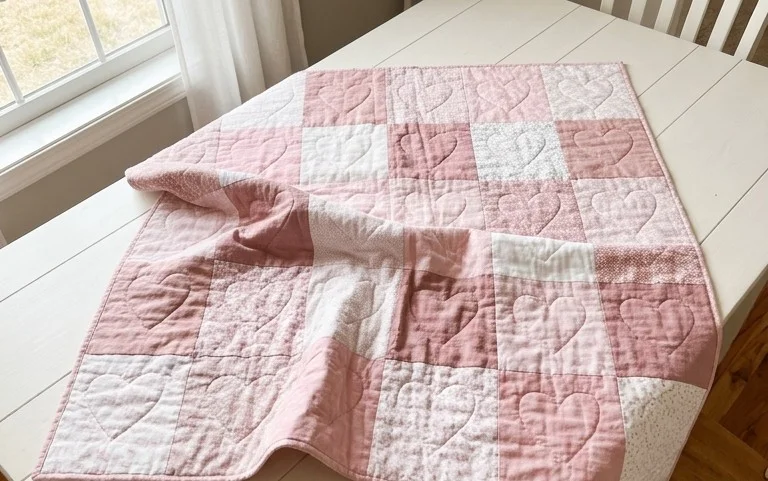
Soft cotton fabric scraps transform into a beautiful keepsake when you assemble this project. The finished textile feels dense and warm, making it a reliable addition to a living room couch or a small child’s bed. Beginners often appreciate how this design breaks down complex shapes into manageable, repeating units that build confidence with every completed block. You will learn how to join small pieces effectively while maintaining smooth edges and consistent tension throughout the entire assembly process. Sewing these blocks together creates a sense of accomplishment that simple washcloths cannot provide. This pattern relies on basic chains and single crochets to construct a visual display of color, which is a great way to clear out your stash of leftover yarn ends.
Why You’ll Love This Pattern
The Classic Crochet Dishcloth is a functional staple for every kitchen, offering a textured surface that excels at scrubbing dishes while remaining gentle on hands. This project is ideal for using up leftover cotton yarn from larger projects, as each cloth requires less than one skein of standard medium-weight yarn. The simple, repetitive nature of the moss stitch creates a soft, absorbent fabric that holds its shape well after repeated use. Because the pattern relies on basic chains and single crochets, it is a relaxing way to practice consistent tension without needing to track complex stitch counts.
I finally learned how to keep my edges straight with this pattern, and now I have a matching set for my whole kitchen.
— Sarah, home maker
Pattern Overview & Skill Level
- Skill Level: Beginner
- Approximate Time: 45–60 minutes per cloth
- Construction: Worked in rows back and forth, beginning with a foundation chain
- Finished Dimensions & Sizing: 8 inches by 8 inches
Materials & Supplies Needed
- Yarn: Worsted #4 weight, 100% cotton, approximately 60–70 yards per cloth. Cotton is essential for heat resistance and absorbency.
- Hook Size: 5.0 mm (H-8) aluminum crochet hook
- Notions: Tapestry needle for weaving in ends, scissors, and an optional locking stitch marker to keep track of the row start
- Safe yarn substitutions: Any cotton-acrylic blend with at least 50% cotton will work, though pure cotton remains the most absorbent for kitchen use. Using a lighter weight yarn will require a larger starting chain and more rows to maintain the 8-inch square size.
Stitch Guide & Abbreviations (US Terms)
- ch = chain
- sc = single crochet
- sk = skip
- st(s) = stitch(es)
- moss stitch = a sequence of alternating single crochet stitches and chain-one spaces
- turn = flip your work to begin the next row
Step-by-Step Pattern Instructions
Main Dishcloth Body
The cloth is worked as a flat square using the moss stitch pattern. Ensure your starting chain is an even number to keep the repeat consistent.
- Row 1: Chain 32. Single crochet in the 4th chain from the hook, *ch 1, sk 1, sc in the next ch. Repeat from * across the row. (30 sts)
- Row 2: Ch 2 and turn. Sc in the first ch-1 space. *Ch 1, sk 1, sc in the next ch-1 space. Repeat from * across, ending with a sc in the last ch-1 space. (30 sts)
- Rows 3–40: Repeat Row 2 until the piece measures approximately 8 inches tall.
- Finishing: Fasten off the yarn, leaving a 6-inch tail. Pull the yarn through the final loop to knot it.
Border and Weaving
To give the dishcloth a clean edge, work a round of single crochet around the entire perimeter.
- Border Rnd: Join yarn at any corner. Work 3 sc in the same corner stitch to create a smooth turn. Sc evenly across the sides, working 2 sc in each side row end, and 3 sc in each corner.
- Weaving: Use your tapestry needle to weave the starting and ending yarn tails into the back of the stitches. Secure the ends by passing the needle through the center of three consecutive stitches before trimming the excess.
Care & Washing Instructions
- Machine wash in warm water on a gentle cycle to remove kitchen oils.
- Lay flat on a clean towel to air dry to prevent the cotton from losing its shape.
- Reshape the square while damp by pulling gently on the corners if the fabric appears uneven after washing.
Pro Tips & Common Mistakes to Avoid
- Maintaining Tension: Keep your chain stitches slightly loose to prevent the foundation edge from pulling inward, which can make the finished square look like a trapezoid.
- Counting Stitches: Use a stitch marker on the first single crochet of every row to ensure you do not accidentally skip the final chain space, which is a common error that causes the cloth to shrink in width.
- Invisible Ends: When weaving in ends, follow the direction of the yarn loops to ensure the tail disappears into the texture of the fabric rather than sitting on top of the stitches.
- Adjusting Size: If you want a larger cloth, simply add chains in multiples of two. Each extra two chains will add approximately one half-inch to the width of the project.
Frequently Asked Questions
Can I use leftover acrylic yarn for these dishcloths?
While acrylic yarn is durable, it is not recommended for kitchen dishcloths because it is not absorbent and will melt if it comes into contact with hot pots or pans. Stick to 100% cotton for the best performance.
Is this pattern suitable for someone who has never crocheted before?
Yes, this is an excellent first project. The moss stitch involves only basic movements, allowing you to focus on developing an even, rhythmic hand speed.
How do I keep my edges straight during the process?
The most common cause of wavy edges is failing to work into the final chain-one space of the row. Counting your stitches at the end of every row ensures you maintain the correct width throughout the piece.
Am I allowed to sell the finished items made from this pattern?
You are welcome to sell finished items created from this pattern. I only ask that you credit the designer and provide a link to this page if selling online.
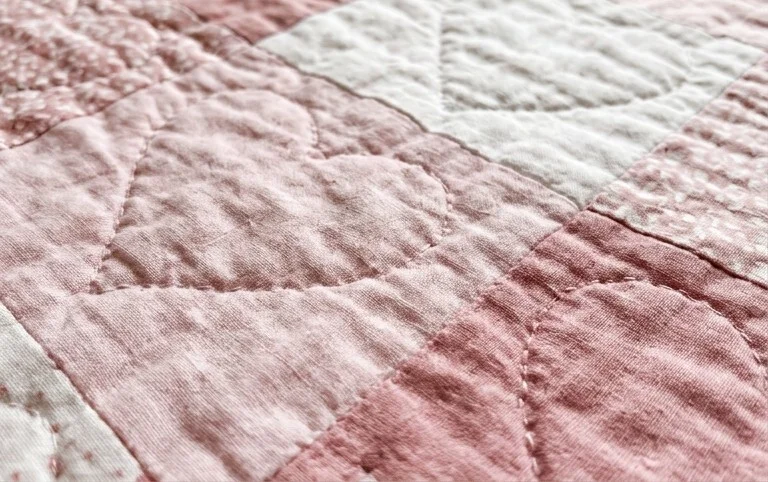
Your finished heart quilt brings warmth and character to any chair or corner of your home. You can create a larger version by simply adding more heart blocks or swapping the standard cotton for a wool blend to increase the weight and texture of the blanket. Upload a photo of your color palette to social media so others can see how you combined your scraps. We have plenty of other free patterns available on the site if you find yourself wanting to start a second project right away. Enjoy the quiet process of stitching these blocks together until your final piece rests on your sofa.