Easy Cotton Dishcloth: Free Beginner Crochet Pattern
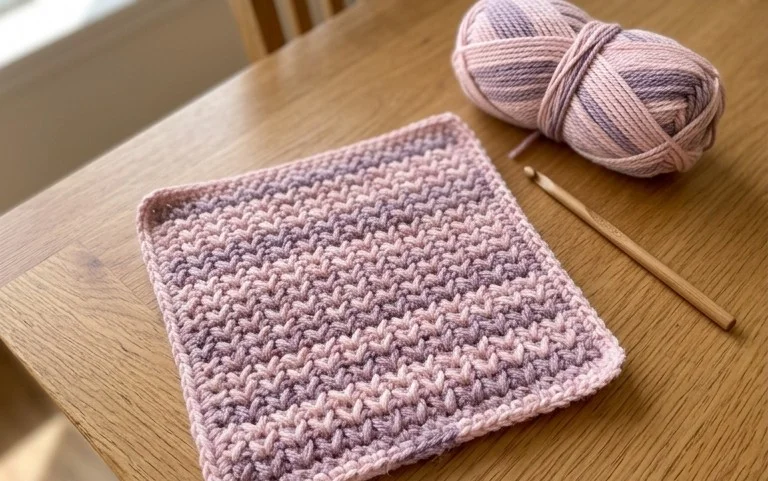
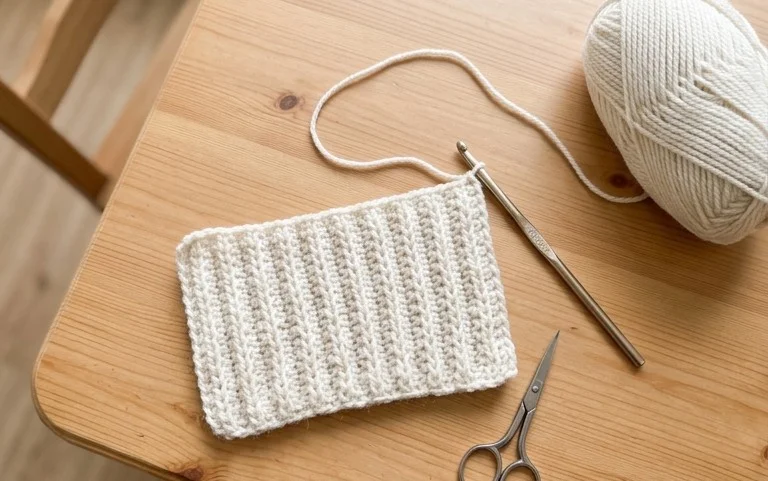
A fresh cotton dishcloth feels sturdy in your hands and brings a sense of order to any kitchen sink. These cloths possess a dense, slightly bumpy texture that effectively scrubs dried food off plates without scratching surfaces. Beginners often find this project rewarding because it repeats a simple stitch sequence, helping you gain confidence with consistent tension and even edges. Whether you need a quick gift for a friend or a functional replacement for worn-out sponges, this pattern provides exactly what you need. You will master the fundamental stitch used to build the main fabric before finishing with a clean, decorative border.
Why This Project Is Worth Making
This simple cotton dishcloth project works up quickly using basic stitches, making it a perfect introduction to crochet for beginners or a meditative project for experienced makers. Because it uses a durable cotton yarn, the final result is functional, absorbent, and capable of withstanding hundreds of wash cycles. The texture created by the alternating stitch pattern provides enough scrubbiness to handle tough kitchen messes while remaining gentle on non-stick cookware. Its small size allows you to finish a single cloth in under an hour, providing an immediate sense of accomplishment and a practical addition to your home utility kit.
I managed to complete two of these cloths in one evening while catching up on a show. They are much thicker and hold up better than the ones I used to buy at the store.
— Sarah, home crafter
Pattern Overview & Skill Level
- Skill Level: Beginner
- Approximate Time: 45 to 60 minutes
- Construction: Worked in flat rows starting from a foundation chain
- Finished Dimensions: 8 inches by 8 inches
Materials & Supplies Needed
- Yarn: Worsted weight (#4) 100% cotton yarn, approximately 45 yards per cloth.
- Hook Size: 5.0 mm (H-8).
- Notions: Tapestry needle for weaving in ends, scissors.
- Yarn Substitutions: You may use a cotton-acrylic blend, though it will be less absorbent than pure cotton. Avoid wool or synthetic yarns like acrylic for kitchen use, as they do not absorb water well and may melt if they touch a hot pan.
Stitch Guide & Abbreviations (US Terms)
- ch = chain
- st(s) = stitch(es)
- sc = single crochet
- dc = double crochet
- sk = skip
- rep = repeat
- YO = yarn over
Step-by-Step Pattern Instructions
The pattern is worked back and forth in rows. The turning chain does not count as a stitch.
Foundation: Chain 28.
Row 1: Sc in the second ch from hook and in each ch across. (27 sts)
Row 2: Ch 1, turn. Sc in the first st, dc in the next st. Rep from * to * across until 1 st remains, sc in the last st. (27 sts)
Row 3: Ch 1, turn. Sc in each st across. (27 sts)
Rows 4 through 32: Repeat Rows 2 and 3 until the piece forms a square approximately 8 inches tall.
Finishing: Fasten off, leaving a 6-inch tail. Use a tapestry needle to weave the end back through the stitches to secure it firmly. Trim any excess yarn close to the fabric.
Care & Washing Instructions
- Machine wash in warm water on a gentle cycle with like colors.
- Tumble dry on low heat or lay flat on a clean towel to dry completely.
- Reshape the cloth while damp if it loses its square form during the wash.
Pro Tips & Common Mistakes to Avoid
Maintain consistent tension throughout the project to ensure the edges remain straight. If your edges are curling, you are likely pulling the yarn too tightly on the turning chains. Use a stitch marker in the first stitch of every row to help you identify where to place your final stitch, preventing the common mistake of accidentally dropping stitches and narrowing your cloth. To adjust the size, simply add or subtract foundation chains in multiples of two; remember that a larger size will require more than the estimated 45 yards of yarn.
Frequently Asked Questions
Can I use a larger hook for this pattern?
Yes, using a larger hook will make the fabric drape more and feel softer, but it will also result in larger gaps in the weave. If you increase the hook size, you will need more yarn to reach the same finished dimensions.
Is this pattern suitable for complete beginners?
This pattern is designed for those who have mastered the basic chain and single crochet stitch. The alternating row pattern introduces double crochet, which is the natural next step for any beginning crocheter.
Can I sell the finished dishcloths?
You are welcome to sell finished items made from this pattern, provided you credit the design. Always check your local craft fair or online shop regulations regarding handmade goods.
Why does my cloth look like a trapezoid instead of a square?
This usually happens because you are either adding or skipping stitches at the ends of the rows. Always count your stitches at the end of every row to ensure you have exactly 27 stitches before turning.
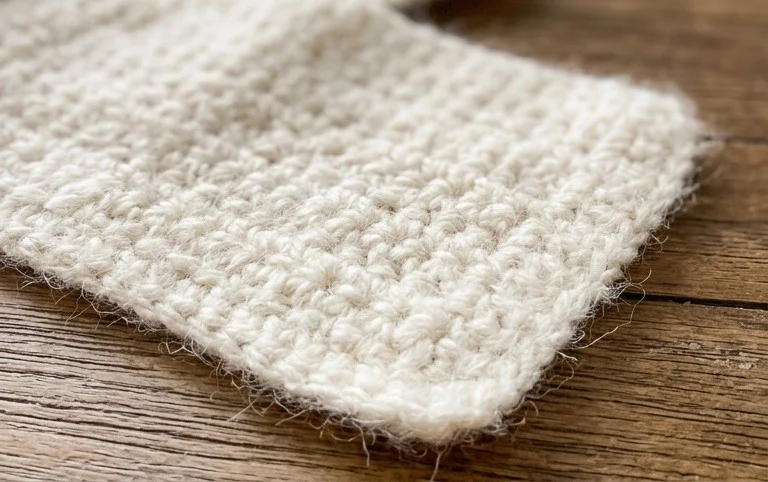
Your finished dishcloth will handle countless chores while staying soft and absorbent for years of regular use. Try working with two different colors of yarn held together for a thicker, squishier result that works great on heavy cast iron pots. Share a photo of your finished creation online to inspire other crafters who are just starting their own projects. If you enjoyed working through these basic techniques, check the main blog page for more free patterns that help you build your home utility stash with simple, functional cotton items.